A two-week notice tells your employer you are leaving in 14 days. Get step by step instructions, copy and paste letter examples, an email template, and tips
Other Free Resources
Premium


A two-week notice tells your employer you are leaving in 14 days. Get step by step instructions, copy and paste letter examples, an email template, and tips
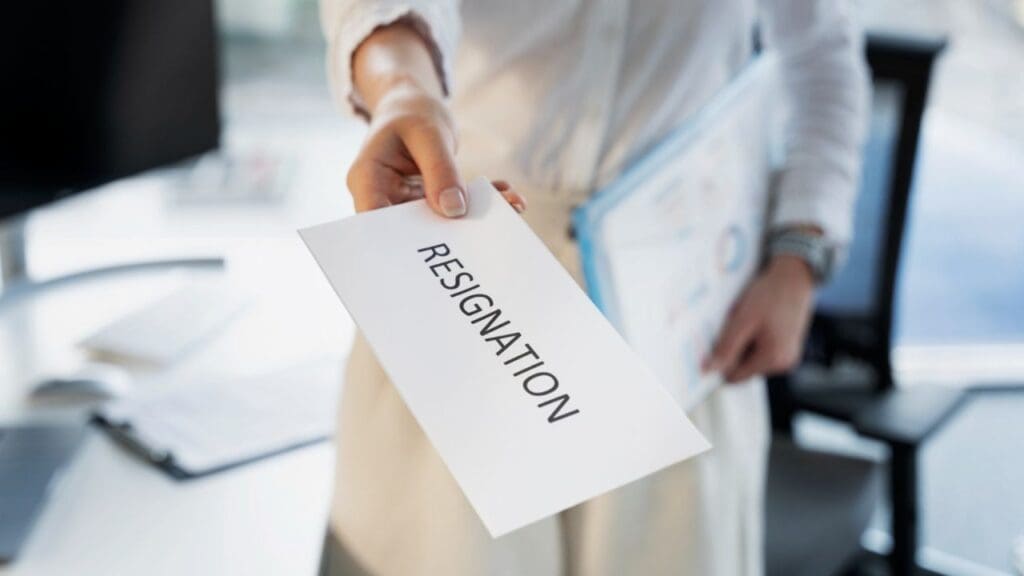
Sometimes, in the working world, situations arise where you may need to leave your job without giving your employer the usual notice. This is known as a no notice resignation letter. It’s when you leave your job suddenly, without the typical two-week warning.

A well-crafted resignation letter not only ensures a smooth exit but also leaves a positive impression on your soon-to-be former employer. In this article, we will guide you through the process of writing an effective resignation letter, including examples, what to include and what to avoid.

Steps to writing the perfect retirement resignation letter including key points to remember, examples and templates. End your career in style with a professional retirement letter.

Deciding to resign from a job you just started is a high-stress moment. This guide will walk you through exactly how to resign from a job professionally, minimizing the fallout and protecting your career trajectory.

Understanding why unfavorable responses happen and knowing how to handle them can protect your reputation, your well-being, and your future career options. This guide explains what causes negative reactions to resignation, how to respond calmly, and how to leave on professional terms even when the response is difficult.

Should you resign or quit? Both mean you’re leaving, but the path you choose matters. That path shapes your next steps and how others see you.

The last day of work can sneak up on you, bringing a mix of emotions, relief, pride, maybe even a bit of nervousness. What you do on the last day of work can shape how people remember you and how you feel moving forward.