Employees often soften their real reasons for leaving because a candid answer can feel riskier than a polite one.
Other Free Resources
Premium


Employees often soften their real reasons for leaving because a candid answer can feel riskier than a polite one.

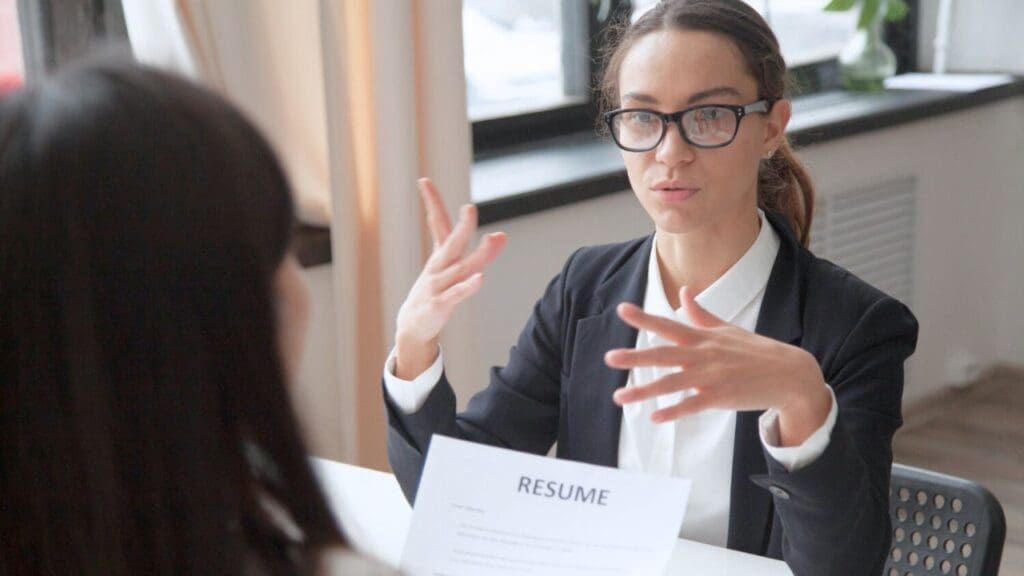
A strong interview shows an HR manager how you think, communicate and work with other people. Your resume may establish that you meet the basic requirements, but the conversation reveals how well you understand the role and how you might contribute.

Group interviews allow employers to assess multiple candidates simultaneously. Discover strategies to succeed in this format.

A situational job interview evaluates the potential performance of a candidate by presenting hypothetical workplace challenges and “what if” scenarios. Unlike behavioral queries that focus on past experiences, situational interview questions look forward to assess critical thinking, decision making, and real time problem solving skills.

By understanding the mechanics of the different types of job interviews, you can tailor your preparation, significantly reduce your anxiety, and control the narrative. Here is your comprehensive guide to navigating the various interview formats you will encounter in the job market.

A peer interview is a unique interview format where potential candidates meet with future colleagues rather than just hiring managers or HR representatives.

Knowing how to dress for a job interview is about more than just looking nice. It’s about matching the expectations of the company while staying comfortable and polished.
Master your next job interview with last minute interview hacks that will alleviate your anxiety and showcase your strengths.