
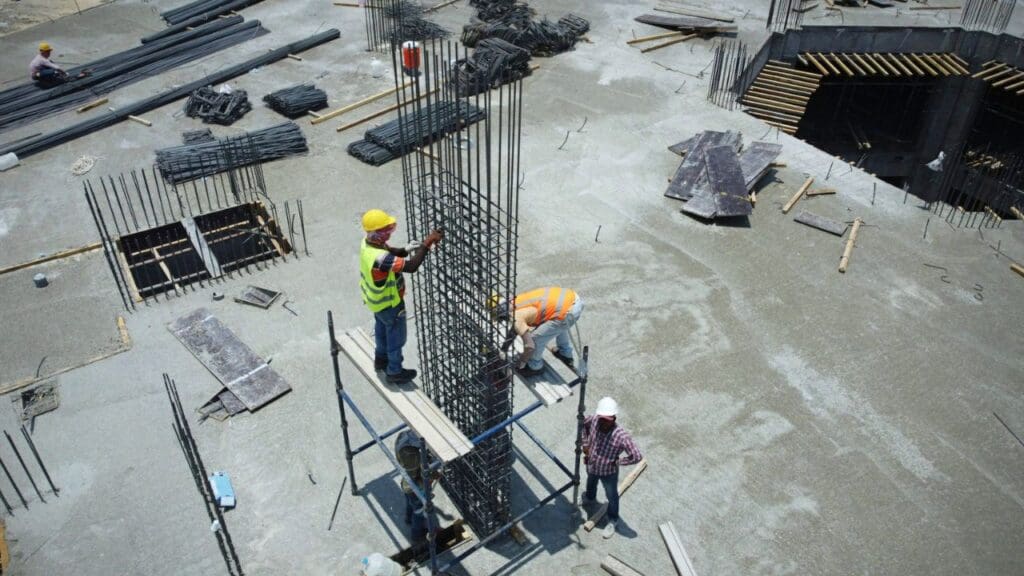
The construction industry remains a cornerstone of economic growth, offering stable and rewarding career paths for skilled professionals. Unlike many sectors facing uncertainty, the constant need to build, maintain, and upgrade infrastructure, homes, and commercial spaces provides a consistent source of employment. However, true job security in this field isn’t just about being available for work. It’s built on a foundation of skill, adaptability, and a proactive approach to professional development. For those willing to invest in their abilities, a career in construction isn’t just a job; it’s a long-term opportunity for growth and stability, with many in-demand careers in construction to consider.
The Demand for Construction Workers
There’s a strong and ongoing need for qualified construction professionals. From large-scale public infrastructure projects to the constant demand for new housing, work is plentiful. This environment gives a significant advantage to those entering or advancing within the industry. An ongoing labor shortage means companies are actively seeking dependable, skilled individuals to fill crucial roles. This high demand directly translates to better job security and competitive pay for workers.
The perception of construction work is also changing. It’s increasingly recognized as a high-paying career that provides a solid middle-class living without needing a traditional four-year college degree. Skilled tradespeople, like electricians, plumbers, and welders, are especially in demand and can earn impressive salaries. This demand isn’t limited to hands-on roles either. There are also significant opportunities for project managers, estimators, and safety coordinators who oversee complex projects and ensure they finish on time and on budget.
The Value of Safety-Conscious Employees
In an industry where risks are inherent, an employee’s commitment to safety is one of their most valuable attributes. Employers aren’t just looking for someone who can do the job; they need someone who can do it safely. A worker with a strong understanding of health and safety protocols is an asset. They protect themselves, their coworkers, and the company. A safe worksite is an efficient one, free from the costly delays, legal issues, and morale problems that accidents can cause.
Showing your commitment to safety makes you a more attractive candidate and a more secure employee. Companies are more likely to invest in, keep, and promote individuals who take safety seriously. One of the most direct ways to show this commitment is through professional development. Proactively seeking out comprehensive construction safety training demonstrates a dedication to professional standards that employers actively look for. Certifications in areas like first aid, hazard identification, or equipment operation don’t just enhance your skills. They also make you a less risky hire, directly contributing to your long-term job security.
Regular safety training can also help you stay current with changing regulations, workplace procedures, and industry expectations. It shows employers that you take responsibility for your role and understand the importance of preventing accidents before they happen. A strong safety record, combined with practical skills and relevant certifications, can help you stand out when seeking new opportunities or advancing within your current company.
Future-Proofing Your Construction Career
While current demand provides a safety net, long-term career security comes from strategic planning and continuous improvement. Relying on a single skill set can leave you vulnerable to market shifts or technological changes. To future-proof your career, focus on becoming a more versatile and indispensable professional. This starts by moving beyond basic competencies and developing a specialization.
Consider focusing on a high-demand niche, such as:
- Green building and sustainable construction methods
- Restoring historic buildings
- Advanced electrical systems or smart home installations
- Specialized welding or fabrication techniques
Beyond technical skills, developing strong soft skills is equally important for advancement. The ability to communicate clearly with team members, solve problems on the fly, and lead a crew are what separate a lifelong laborer from a site supervisor or project manager. These skills are transferable across different projects and companies, making you a valuable asset no matter where you work. Think of your career as a structure you are building. The more diverse and solid your skills, the more resilient it will be over time.
Adapting to New Technologies
Technology is transforming construction, making adaptability essential for job security. Automation, software, BIM, drones, and robotics can improve safety and efficiency while creating opportunities to develop new skills.
Workers can stay competitive by learning project management software, gaining BIM experience, or operating new equipment. Embracing technology helps professionals solve complex problems and remain valuable to modern construction firms.
A stable construction career requires more than showing up. Developing in-demand skills, prioritizing safety, and adapting to technological change can support long-term career growth and financial success.
Continuous learning is especially important as construction technology evolves. Workers who regularly update their knowledge can adjust more easily to new systems, tools, and workplace expectations. Employers also value professionals who show initiative and a willingness to learn.
Technology can also improve communication and teamwork across construction projects. Digital platforms allow teams to share updates, track progress, manage documents, and identify issues more efficiently. Building confidence with these tools can help workers take on greater responsibilities and prepare for future leadership opportunities.

Sara has been in the career development field for over 10 years and has a wealth of knowledge to share. She covers topics such as resume writing, job search strategies, interview techniques, career planning, and more. She has curated our free downloadable resume templates for Word and resume templates for Google Docs.
Others also read
A Guide to Upskilling
Phone Interview Tips to Get You to The Next Round
7 Best Resume Builders for 2026
Expert Tips to Help You Prepare for Skills Assessment Tests
Why Most Resumes Fail the 6-Second Test (And How to Fix It)
How to Create a Resume for the Modern Job Market
9 DEI Skills for Your Resume
How to Highlight Volunteer Experience on Your Resume
You Might Also Like These Free Templates
Resume Template in Word Document
Google Docs Resume Format – Debbie
Free Template for Resume
Free Resume Form Template
2 Column ATS Resume Template
ATS Friendly Resume Format for Word – Lindsay
Cover Letter Template with Monogram
Professional Cover Letter Template
Free Modern Resume Template for Word
Free Job Application Tracker for Excel
Free Resume Template Download for Word – Farrah
Free ATS-Friendly Resume Template – Emily